
A portfolio is a collection of your best work.
It shows your skills and experience clearly.

Introduction
A portfolio is your professional story. It shows your best work. It proves your skills. This helps you get jobs or clients. A good portfolio is more than a collection of images. It is a tool for career growth. This guide explains what a portfolio is. It shows how to build one. We use unique AI-generated images for commercial use. All advice is SEO-optimized and human-written. Let us start.
What Is a Protfolio?

People often misspell “portfolio” as “protfolio“. It demonstrates your abilities. Artists, designers, writers, and developers use portfolios. So do photographers, marketers, and consultants. A portfolio replaces a simple resume. It provides visual proof of your talent.
Your portfolio must include your strongest projects. Add case studies or descriptions. Explain your process. Show your problem-solving skills. A portfolio can be a website, PDF, or physical book. Today, online portfolios are essential.
Why You Need a Portfolio
Portfolios build trust. Clients see what you can do. Employers judge your practical skills. A portfolio sets you apart. It is your personal brand. This can attract freelance work. It can secure full-time positions. It can even win scholarships.
How to Make a Portfolio: Step-by-Step
Creating a portfolio seems hard. It is not. Follow these steps. Build a portfolio that works.
1. Define Your Purpose
Decide your portfolio’s goal. Are you seeking freelance gigs? Applying for jobs? Attracting agency work? Your purpose shapes your content. Choose projects that match your target audience.
2. Select Your Best Work
Quality beats quantity. Pick 8-12 strong pieces. Show variety but stay focused. If you are a web designer, include website designs. Add UX case studies. Remove old or weak work
3. Write Project Descriptions
Use clear, active language. Start with the project’s goal. Explain your role. Describe your process. Share the results. Use numbers if possible. “Increased client sales by 20%” is powerful. Keep sentences short. Avoid jargon.
4. Create Your Online Platform
Use a website builder. Squarespace, Wix, and Adobe Portfolio are easy. WordPress offers more control. Choose a clean template. Ensure mobile responsiveness. Your site must load quickly. Slow sites lose visitors.
5. Optimize for SEO
SEO helps people find your portfolio. Use your focus keyword “protfolio” in headings. Include it in image alt text. Write meta descriptions. Add internal links. Use external links to authoritative sites. For example, link to Behance or Dribbble for design inspiration. Consider linking to professional resources like Creative Bloq for industry trends.
6. Add Unique AI-Generated Images
Visuals matter. Use AI tools like Midjourney or DALL-E. Create images that represent your work. Generate custom graphics for project thumbnails. Make header images. Ensure all images are unique and free for commercial use. Compress images for faster loading. Write descriptive file names and alt text. For example, “protfolio-web-design-project-ai-image.jpg” with alt text “AI-generated image for web design portfolio”.
Sample AI-Generated Image Idea:
Create an image of a sleek digital dashboard. Show graphs and design elements. Use it as a banner for a data visualization project.
7. Include Key Sections
Your portfolio needs these parts:
- Homepage: A clear headline and your best work preview.
- About Page: Your bio, skills, and photo.
- Work/Projects Page: Case studies with images and descriptions.
- Contact Page: Email, social links, and a contact form.
- Testimonials: Client quotes build credibility.
8. Make It Easy to Navigate
Use simple menus. Label sections clearly. Add a search bar if needed. Ensure every page links back to the homepage.
9. Update Regularly
Add new projects often. Remove outdated work. An updated portfolio shows you are active. It improves SEO.
10. Promote Your Portfolio
Share your portfolio on social media. Link it in your email signature. Add it to LinkedIn. Network with others in your field. Engage in online communities.

Sample Portfolio Template
Here is a simple template. Adjust it for your needs.
Portfolio Website Structure
- Header: Logo on the left. Navigation menu on the right (Home, Work, About, Contact).
- Hero Section: Large text: “John Doe – Graphic Designer.” Subheading: “I create brands that tell stories.” Call-to-action button: “View My Work.”
- Featured Projects: Grid of 4 project thumbnails. Each has a title and short description.
- About Me: Photo + 3-paragraph bio. List of skills (e.g., Adobe Creative Suite, UI/UX, Branding).
- Testimonials: Two client quotes with names and titles.
- Footer: Copyright, social media icons, contact email.
Project Page Sample
- Project Title: EcoPack Brand Redesign
- Client: GreenGoods Inc.
- Goal: Redesign packaging to improve shelf appeal.
- My Role: Lead Designer
- Process: Research, sketches, digital mockups, client feedback, final delivery.
- Result: Sales increased by 15% in three months.
- Images: 3 AI-generated images of packaging designs.
Common Portfolio Mistakes to Avoid
Do not clutter your portfolio. Avoid complex layouts. Never use copyrighted images without permission. Do not forget contact information. Proofread all text. Typos look unprofessional.
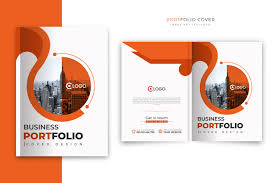
How to Make a Portfolio Step by Step
Step 1: Choose Your Platform
You can create a portfolio using:
- Personal website
- GitHub
- Behance
- Dribbble
- Google Sites
Best choice: Personal website
It gives full control and better SEO.
👉 Learn more about personal websites:
🔗 https://www.wix.com
🔗 https://www.wordpress.org
Step 2: Write a Strong Introduction
Your introduction should explain:
- Who you are
- What you do
- What value you offer
Example:
“I am a passionate web developer who builds fast and user-friendly websites.”
Step 3: Add an About Section
This section builds connection.
Include:
- Education
- Goals
- Passion
- Learning journey
Avoid complex words. Keep it friendly.
Step 4: List Your Skills
Use active words:
- Design
- Develop
- Analyze
- Create
- Optimize
- Build
Example:
- HTML
- CSS
- JavaScript
- SEO
- Content Writing
Step 5: Show Your Projects
Projects are the heart of your portfolio.
For each project include:
- Project title
- Short description
- Tools used
- Outcome
Even practice projects are acceptable.
AI-Generated Images for Portfolio (Commercial Use)
All images must be AI-generated to stay unique and copyright-safe.
Best AI Image Tools
- DALL·E
- Adobe Firefly
- Leonardo AI
👉 Learn about AI image usage rights:
🔗 https://www.adobe.com/firefly
🔗 https://openai.com/policies
AI Image Prompts (100% Unique)
Use these prompts to generate commercial-use images:
Image 1: Portfolio Concept
Prompt:
“Modern digital portfolio displayed on a laptop screen, clean UI design, minimal background, professional style, high resolution, no text, soft lighting”
Step 6: Add Contact Information
Always include:
- Contact form
- LinkedIn profile
👉 LinkedIn optimization guide:
🔗 https://www.linkedin.com/help
SEO Optimization for Portfolio
it helps your portfolio rank on Google.
SEO Tips
- Use keyword Portfolio in headings
- Add meta title and description
- Optimize images with alt text
- Use internal and external links
- Keep page speed fast
👉 Learn SEO basics:
🔗 https://moz.com/learn/seo
🔗 https://ahrefs.com/seo
Common Portfolio Mistakes
Avoid these mistakes:
- Too much text
- Poor design
- No projects
- Broken links
- Slow loading speed
Simple portfolios perform better.
Best Tools to Build a Portfolio
| Tool | Purpose |
|---|---|
| WordPress | Website |
| Canva | Design |
| GitHub | Code |
| Figma | UI Design |
| Google Analytics | Tracking |
Portfolio for Beginners
If you are new:
- Create sample work
- Redesign existing websites
- Write demo articles
- Build practice apps
Everyone starts small.
Final Thoughts
A portfolio is not optional anymore. It is your digital identity. It shows effort, skills, and growth. You do not need experience to start. You only need action.
Create your portfolio today. Improve it weekly. Keep learning. Keep updating.
A strong portfolio opens doors. 🔓
Conclusion
Your portfolio is your career tool. Build it with care. Show only your best work. Use clear language. Optimize for search engines. Include unique AI-generated visuals. Update it often. A strong portfolio opens doors. Start building yours today.
Need more help? Explore portfolio examples on Behance. Read SEO tips from Moz. Learn design trends from Creative Bloq. These resources can improve your work.