
Introduction
Artificial Intelligence (AI) is no longer a science-fiction idea. It is already part of our daily lives. Even if we do not always notice it. From voice assistants like Siri and Google Assistant to Netflix recommendations and Google Maps, AI is quietly working behind the scenes. In the computer field, AI is changing how software is built, how data is analyzed, and how problems are solved.
The future of AI in the computer field looks extremely exciting. AI is expected to make computers smarter, faster, and more helpful than ever before. It will not only support humans but also work alongside them as a powerful partner. This article explores what AI is, how it is currently used in the computer field, and what the future may look like. The language is kept simple so that even an 18-year-old student can easily understand it.
What Is Artificial Intelligence?
Artificial Intelligence refers to machines or computer systems that can perform tasks that normally require human intelligence. These tasks include learning, problem-solving, decision-making, speech recognition, and understanding images.
AI works by using algorithms, data, and computing power. The more data an AI system gets, the smarter it becomes. This is why AI has grown so fast in recent years—because we now have huge amounts of data and very powerful computers.
There are different types of AI:
- Narrow AI: Designed to do one specific task, such as face recognition or spam filtering.
- General AI: A future concept where machines can think and learn like humans.
- Super AI: A theoretical idea where AI becomes smarter than humans.
Currently, most AI systems are Narrow AI, but the computer field is moving quickly toward more advanced systems.

Current Role of AI in the Computer Field
1. Software Development
AI helps developers write better code faster. Tools like AI code assistants can suggest code, find bugs, and even explain errors. This saves time and reduces mistakes.
2. Data Analysis
Computers can process huge amounts of data, but AI helps make sense of it. AI systems can find patterns, trends, and insights that humans might miss. This is very useful in business, science, and research.
3. Cybersecurity
AI helps protect computers and networks from hackers. It can detect unusual activity, predict attacks, and respond quickly to threats.
4. Automation
Many repetitive computer tasks are now automated using AI. This includes file management, system monitoring, and customer support through chatbots.
These uses are only the beginning. The future will bring much more advanced applications.
The Future of AI in Software Engineering
In the future, AI will play a bigger role in how software is designed and maintained.
Smarter Programming
AI will help programmers by automatically generating code based on simple instructions. For example, a developer may describe what they want in plain English, and the AI will write the code.
Faster Debugging
AI will be able to detect bugs before software is released. It will test programs in many different ways, reducing crashes and errors.
Self-Updating Software
Future software may improve itself using AI. It can analyze how users interact with it and make updates automatically.
This will make software more reliable and user-friendly.
AI and Computer Hardware
AI is not only about software. It is also influencing computer hardware.
AI Chips
Special processors like GPUs and AI chips are being developed to run AI tasks faster. In the future, computers may have built-in AI processors that improve performance.
Smarter Devices
AI will help computers manage power usage, cooling, and performance. Laptops and phones will last longer and work more efficiently.
Edge Computing
Instead of sending all data to the cloud, AI will work directly on devices. This means faster responses and better privacy.
AI in Cloud Computing
Cloud computing and AI are growing together. In the future:
- AI will manage cloud servers automatically
- Systems will predict traffic and balance workloads
- Costs will be reduced through smart resource usage
Cloud platforms will become more intelligent, making computing services faster and cheaper.
AI and Human-Computer Interaction
The way humans interact with computers will change greatly.
Voice and Language
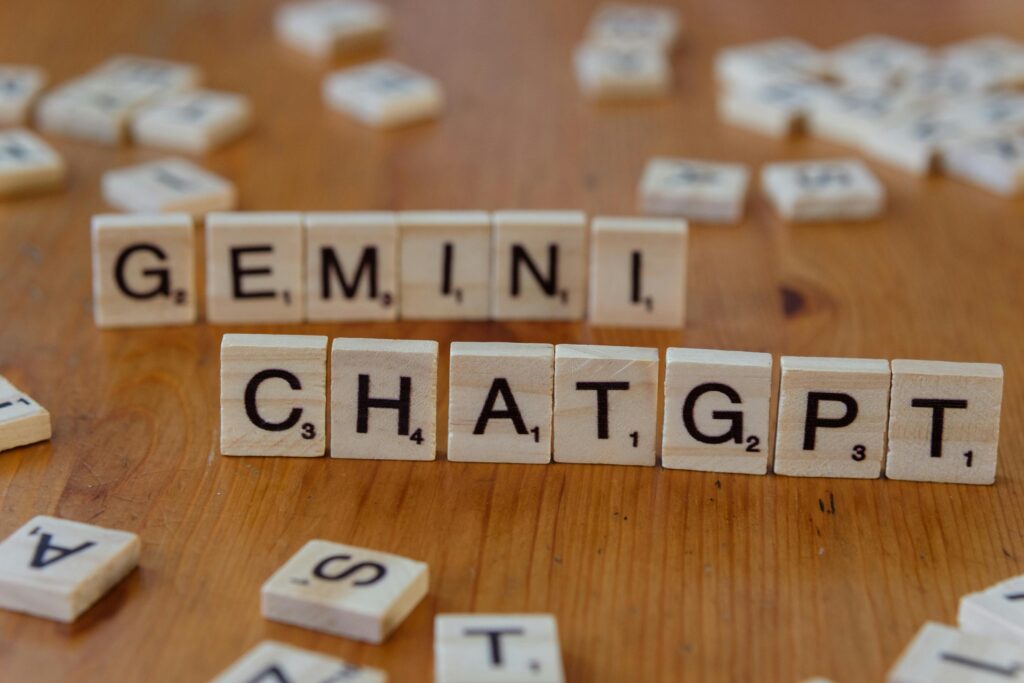
Chatgpt is an AI will understand natural language better. Talking to computers will feel more like talking to a human.
Personalized Experiences
Computers will adjust themselves based on user habits. Each user will get a customized experience.
Virtual Assistants
Future AI assistants will be smarter, more helpful, and more independent.
AI in Education and Learning
In the computer field, AI will transform education.
- Personalized learning systems
- Smart tutors that help students
- Automatic grading and feedback
Students will learn faster and in ways that suit their learning styles.
AI and Ethical Challenges
With great power comes great responsibility. The future of AI also brings challenges.
Privacy
AI systems use large amounts of data, which raises privacy concerns.
Job Changes
Some jobs may be replaced, but new jobs will also be created.
Bias and Fairness
AI must be trained carefully to avoid unfair decisions.
Developers and governments must create rules to use AI responsibly.
AI and the Future Job Market
AI will not eliminate the computer field—it will change it.
New Career Opportunities
- AI engineers
- Data scientists
- Machine learning experts
Skill Development
Future professionals must learn:
- Programming
- Data handling
- Critical thinking
Students who adapt will have strong career opportunities.
The Role of Students in the AI Future
Students play an important role in shaping the future of AI.
- Learning basic programming
- Understanding AI concepts
- Using AI responsibly
Even beginners can start by exploring simple AI tools.
Conclusion
The future of AI in the computer field is bright and full of possibilities. AI will make computers smarter, software better, and systems more efficient. It will change how we work, learn, and interact with technology.
While there are challenges like privacy and job changes, the benefits of AI are much greater. With responsible use and proper education, AI can help build a better and smarter future.
For students and professionals, now is the best time to learn about AI. The computer field is evolving rapidly, and AI is leading the way forward.
The future is not about humans versus machines—it is about humans and machines working together to achieve more than ever before.